Newsletter: Edition 13

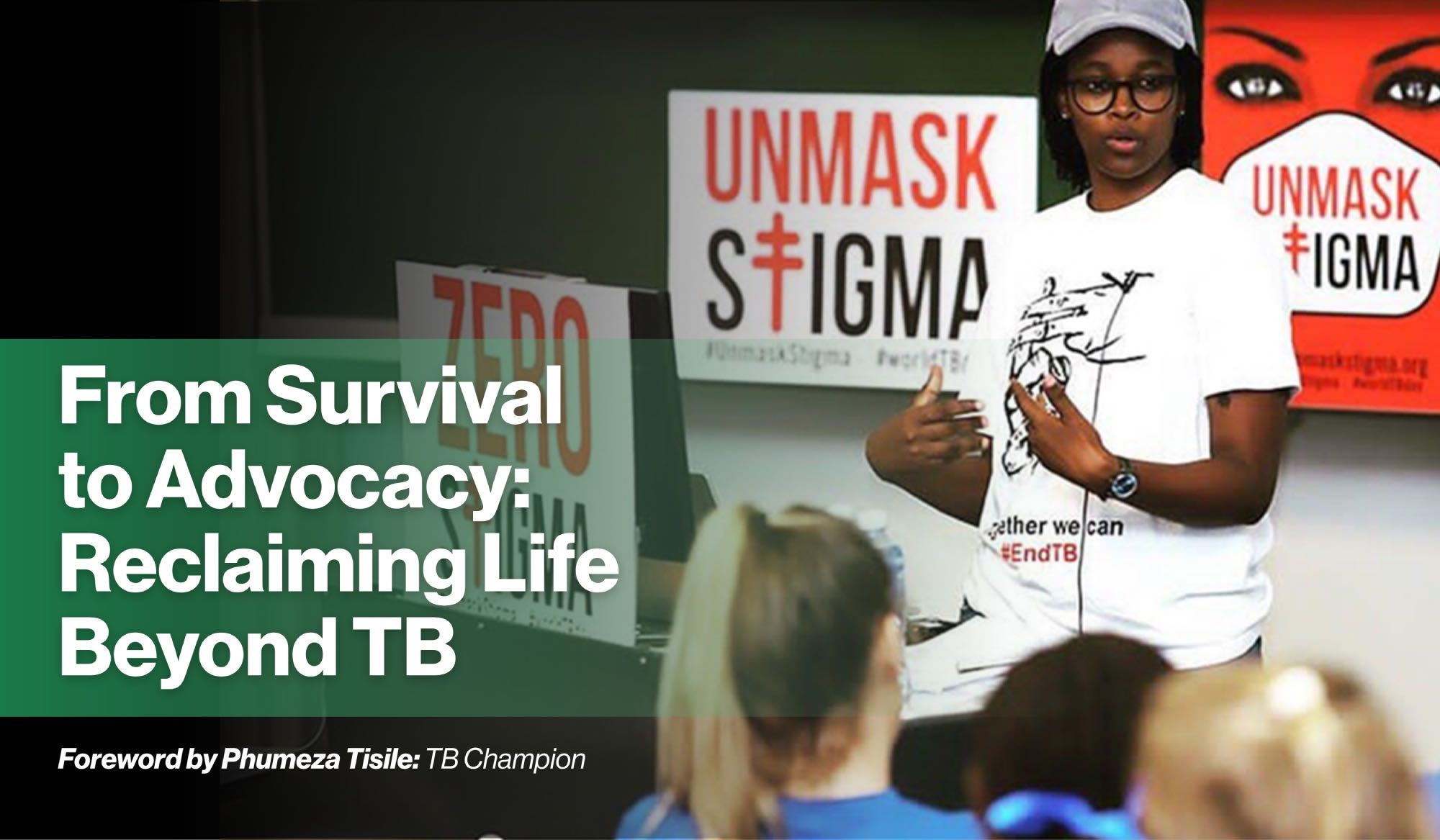
My journey with Tuberculosis (TB) began in 2010, when I was a first-year university student. I was initially diagnosed with drug-sensitive TB, but that diagnosis was incorrect. In reality, I was living with extensively drug-resistant TB (XDR-TB). By the time the correct results came, my body had already endured months of ineffective treatment—a delay that nearly cost me my life.

Click  to read our TB Champion’s full foreword

What followed was more than two years of painful and isolating treatment. I swallowed 25-30 pills daily and endured injections (kanamycin) that damaged my hearing permanently. By the time I completed treatment, I was completely deaf. Surviving TB should never mean losing your future, yet that was the reality for many of us at the time. In 2015, cochlear implants allowed me to hear again, but the scars of that journey remain, both visible and invisible. 

Survival changed my purpose. I chose to turn my experience into action, becoming an advocate for people affected by TB, drug resistant TB, and antimicrobial resistance. I have worked to ensure that the voices of survivors are not treated as optional, but as essential to TB policy, research, and care. As an Advocacy Officer and Research Assistant at TB Proof, I have pushed for safer treatments, person centred care and an end to TB stigma. 

My advocacy has taken me to global platforms, including the World Health Assembly in Geneva, where I presented the first Drug Resistant TB Manifesto co-authored by survivors. Along this journey, my work has been recognised through honours, including being named a TIME100 Next honouree. This matters because TB is not only a medical condition. It is a social, political, and human rights issue. The stories and insights remind us that data must be grounded in lived experience, and that progress without justice is not progress at all. 

I hope this newsletter challenges you, moves you and strengthens your commitment to a world where surviving TB never again comes at such a high cost.  

Civil society appreciates the great work by Prof Ndjeka, Department of Health colleagues, civil society organisations, researchers and members of the National TB Think Tank.  

Yes! We can End TB. Led by South Africa. Powered by Communities.

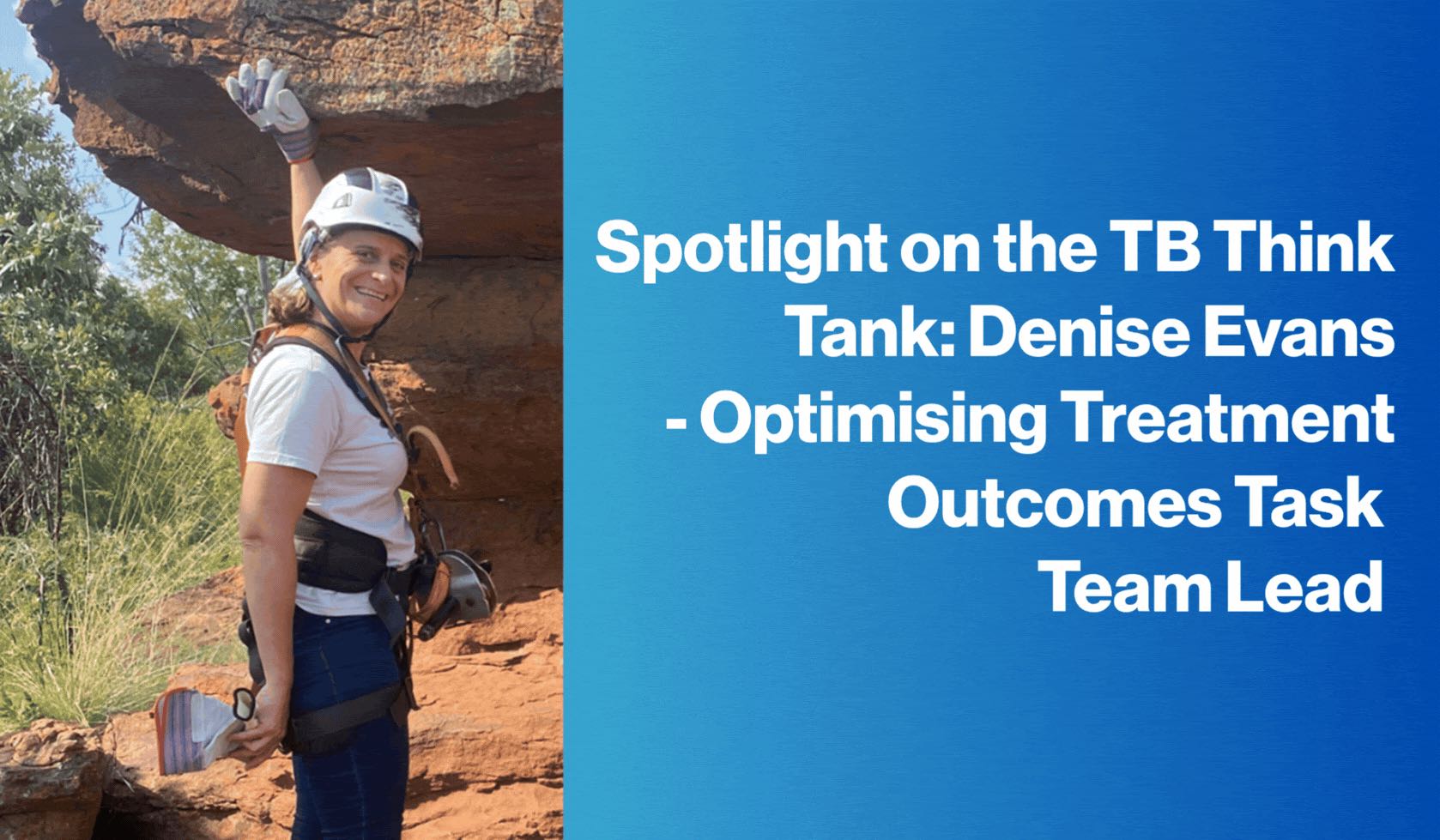
Denise Evans is a public health researcher with extensive expertise in HIV, TB, and health systems research in South Africa. She earned her PhD in Biomedical Technology from the University of Johannesburg in 2007, specializing in molecular and cellular biology and immunology.  

In 2012, she moved over to the Health Economics and Epidemiology Research Office (HE2RO), a division of the Wits Health Consortium, as a Senior Researcher in Epidemiology after working at the Clinical HIV Research Unit. At HE2RO, she has played a pivotal role in advancing projects that improve patient outcomes and in coordinating health economic evaluations.

She currently serves as an Associate Professor in the Faculty of Health Sciences and as a Clinical Scientist in the Internal Medicine Research Unit at the University of the Witwatersrand and was awarded a B2‑category rating by the National Research Foundation (NRF) in 2025.  

Click to read more about the Optimising Treatment Outcomes Task Team Chair

Denise brings extensive expertise in TB research, having spearheaded numerous large grants, cluster randomised trials and health economic evaluations focused on TB in South Africa. Her contributions include leading the health economics evaluation of the STREAM trial and more recent work on TUTT Plus & sputum pooling study (led by PHRU), the BringBPaL2Me trial, and analyses of the cost, cost effectiveness, and budget impact of BPaL in South Africa and the Philippines funded by TB Alliance. 

Her research interests span low cost tools for resource limited settings, AI and non-invasive imaging for lung abnormality screening and the socioeconomic consequences of TB and post-TB lung disease. She has played a leading role in two post-TB cohorts: the TB Sequel project, where she has led the socioeconomic research task, and the IeDEA TBSRN, where she serves as Principal Investigator for the South African site.

She has co-chaired the Economic, Social, and Psychological working group of the 1st, 2nd, and 3rd International PostTB Symposia, co-led a WHO commissioned scoping review on interventions for TB associated respiratory disability, guided the writing team for the Post-TB Health and Wellbeing Clinical Statement, and contributed to WHO consultations on TB-associated lung disease. 

Since 2018, Denise has been an active member of the TB Think Tank, contributing primarily to the Optimizing Treatment Outcomes (OTO) working group while also engaging with several other working groups. Her contributions to the OTO workplan have included a scoping review of TBrelated multimorbidity, evaluation of the TB Module in TIER.Net, and current work exploring differentiated service delivery models of care for TB. Beyond her research, Denise is deeply committed to capacity building.

She mentors and supervises postgraduate students, serves as both an internal and external examiner, and evaluates research protocols. She also serves as Secretary for The Union Africa Region Committee and is a member of the African Academy of Sciences (AAS) Mentorship Program as well as the Organization for Women in Science for the Developing World (OWSD).   

Outside of research, she enjoys playing padel and makes time to walk her dogs every day.

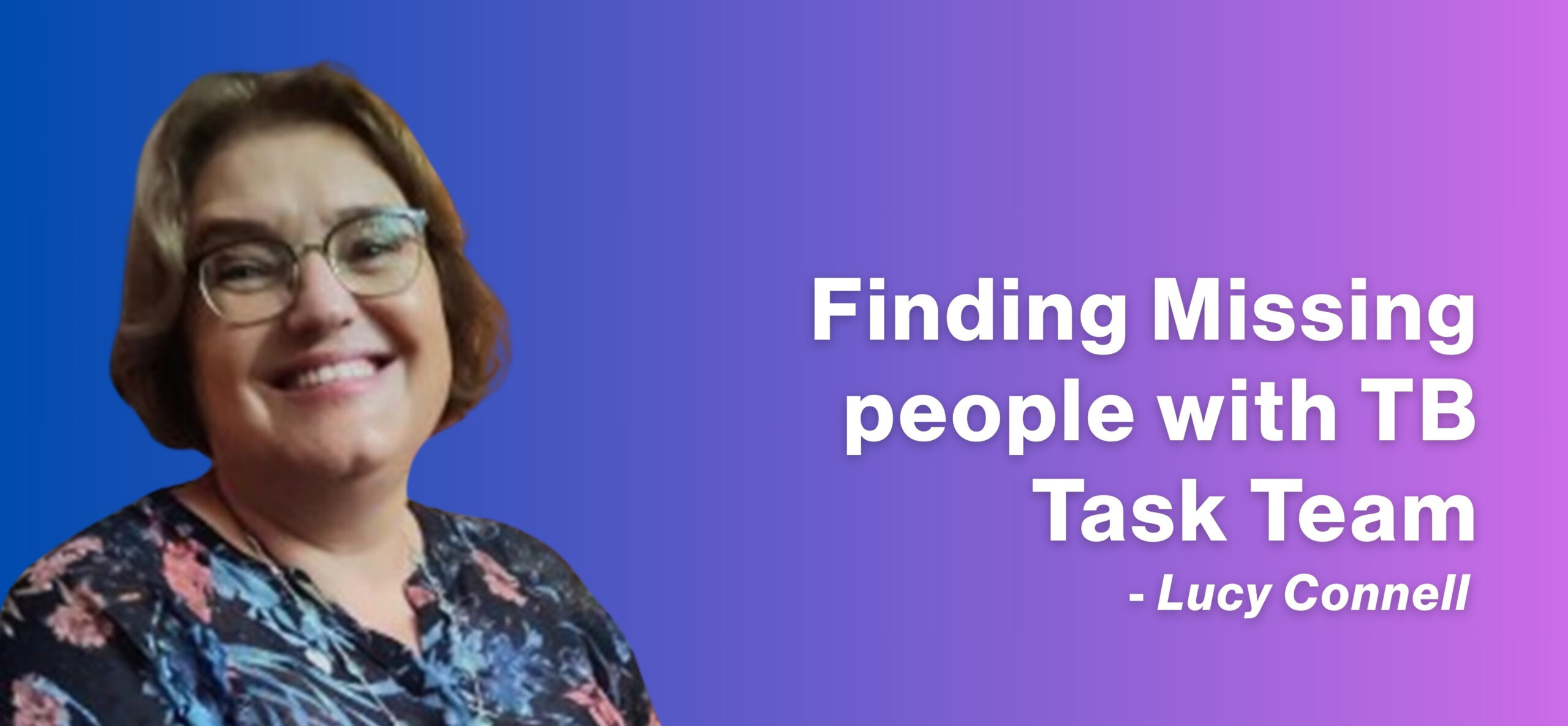
I am a medical doctor with an MSc in Medicine, majoring in Epidemiology and Biostatistics. I have been active in the public health sphere for most of my career despite a constant pull towards patient-facing clinical work.  

In the decade I qualified as a doctor, South Africa experienced many firsts, the unbanning of liberation organisations, the birth of democracy, the provision of free health care for all mothers and children under 6 years (what heady delight), and the mushrooming of HIV prevalence and helplessness in the face of agonising deaths (what shock and despair). TB prevalence resurged.

Click  to read more about the Finding Missing People with TB Task Team Chair

As a student, we had to advocate fiercely to receive the knowledge and skills we needed to face these dual epidemics. I cofounded the Student HIV Action Committee at Wits University, which campaigned against mandatory HIV testing without patients’ consent in our teaching hospitals, advocated for more HIV and TB content in the curriculum, and for students to receive practical HIV counselling skills training.  

I was privileged to start my career participating in the early clinical trials to prevent vertical transmission of HIV and find optimal treatment regimens for PLH, followed by several years as a clinician and trainer in the largest paediatric HIV clinic in the country. 

In the years that followed, I spent more than a decade consulting independently to SA government departments, international agencies, mining companies, and SA NPOs on maternal and child health, HIV, and TB. This work included health programme evaluations, health intervention design and monitoring, the development of clinical guidelines, training curricula and IEC materials, and grant writing.  

Between 2015 and 2025, I served as the TB Programme Lead at Right to care, managing multi-district, multidisciplinary teams to support the DOH to integrate and strengthen HIV and TB services. A large part of this work entailed strengthening the quality and use of data from routine HIS (Tier.net, EDRWeb, DHIS) for agile decision-making and conducting operational research to evaluate interventions and refine patient-centred care. 

I conducted the independent evaluation of the use of digital chest X-ray with AI assessment to screen for TB in primary health care facilities in 6 districts in SA in 2022. Following this work, I facilitated the expert group that helped birth the new NDOH Standard Operational Procedure and algorithms for facility and community TB screening using DCXR and AI.  

I thrive on the sparks and synergy that come from team work, and I have had positive experiences with building happy and productive teams of all sorts of personalities and skill sets. I believe in creating “thinking environments” or consciously creating the settings, conditions and group dynamics that foment the free sharing and exploration of ideas by all members of a team. I am fired by understanding how complex adaptive systems work, and what makes them produce the outputs that they do. 

I have raised two children to cortical maturity, and I am very proud of that. As an amateur silversmith, I satisfy my creative spirit. I love reading, camping, hiking and wild swimming. 

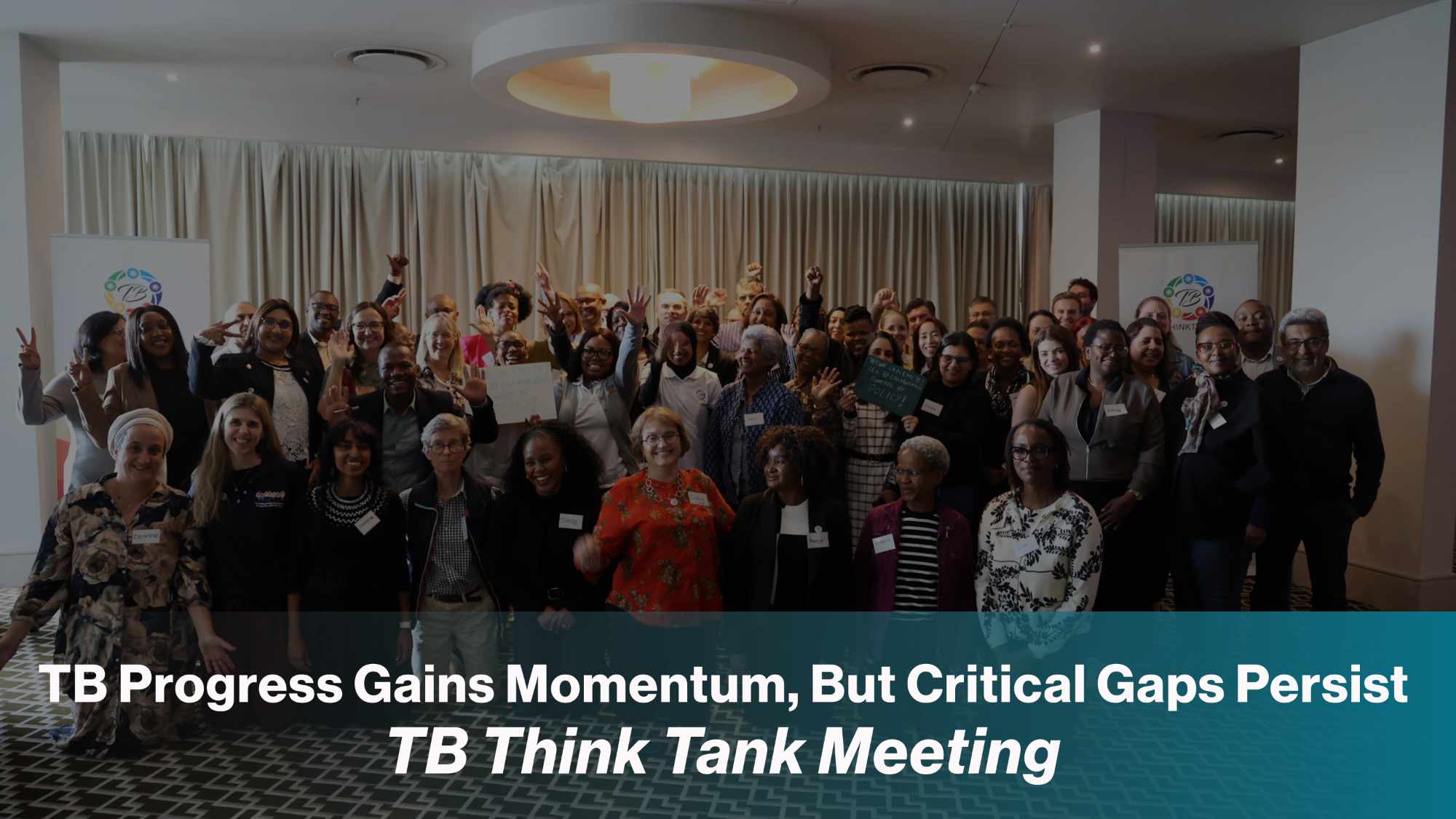
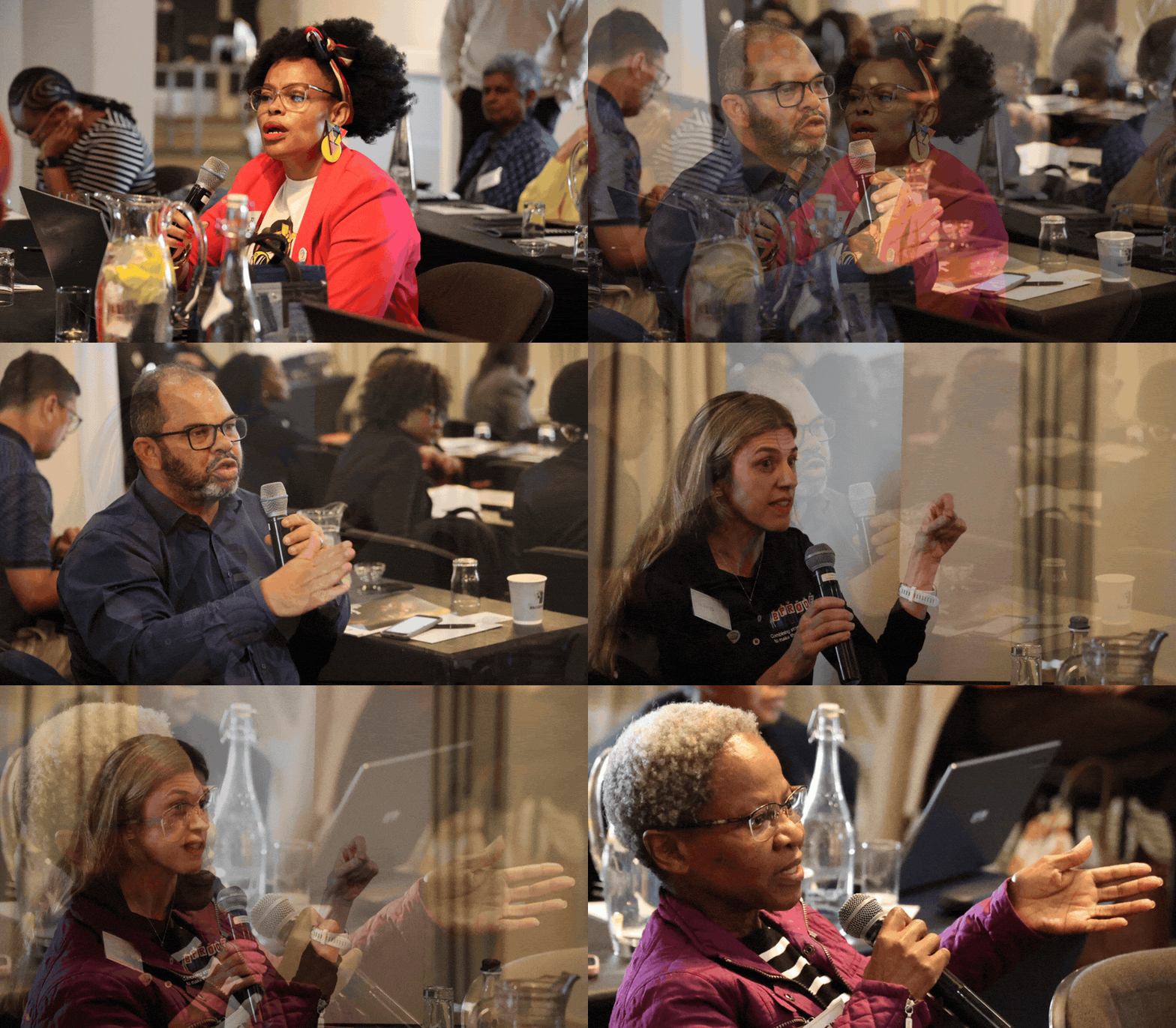
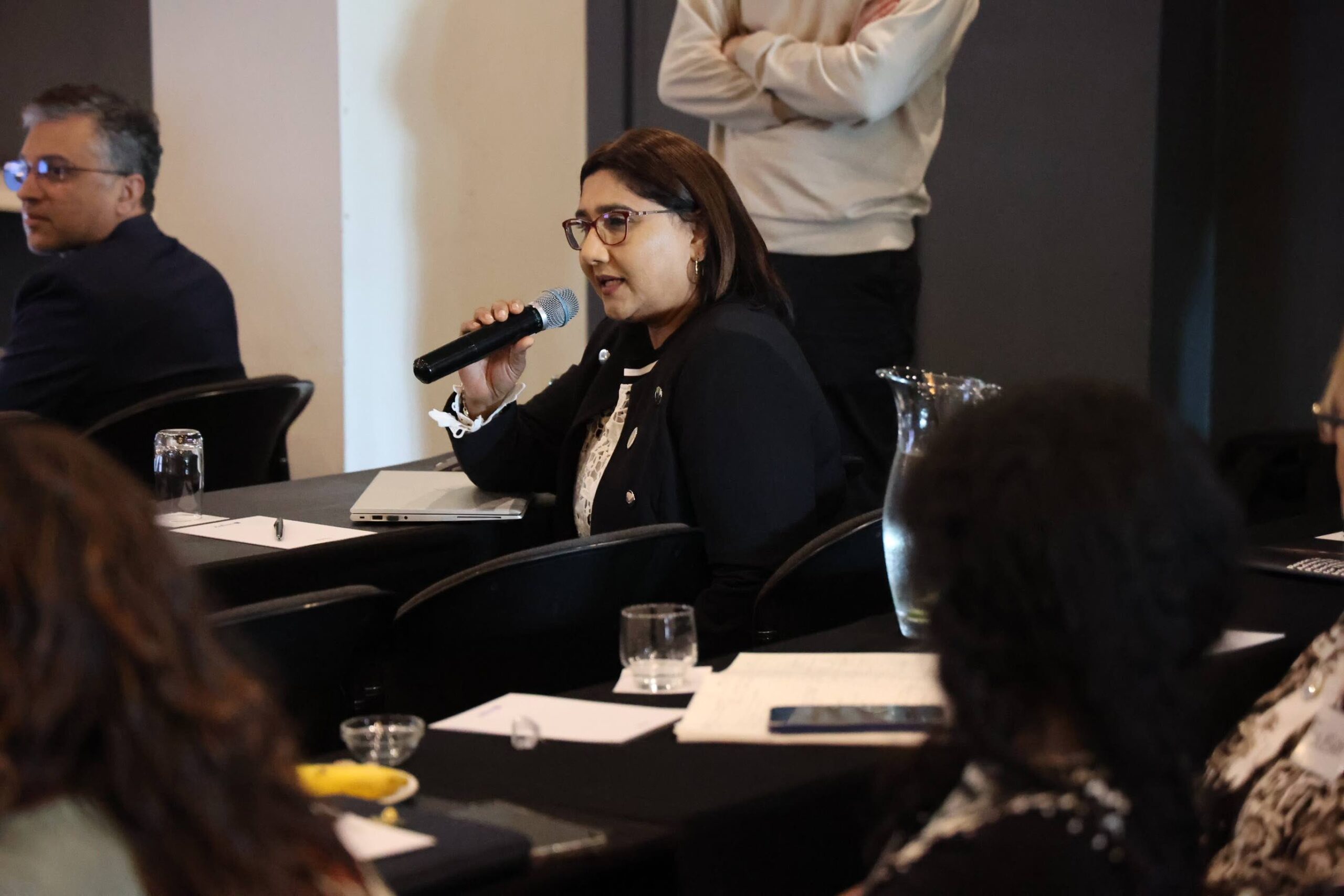
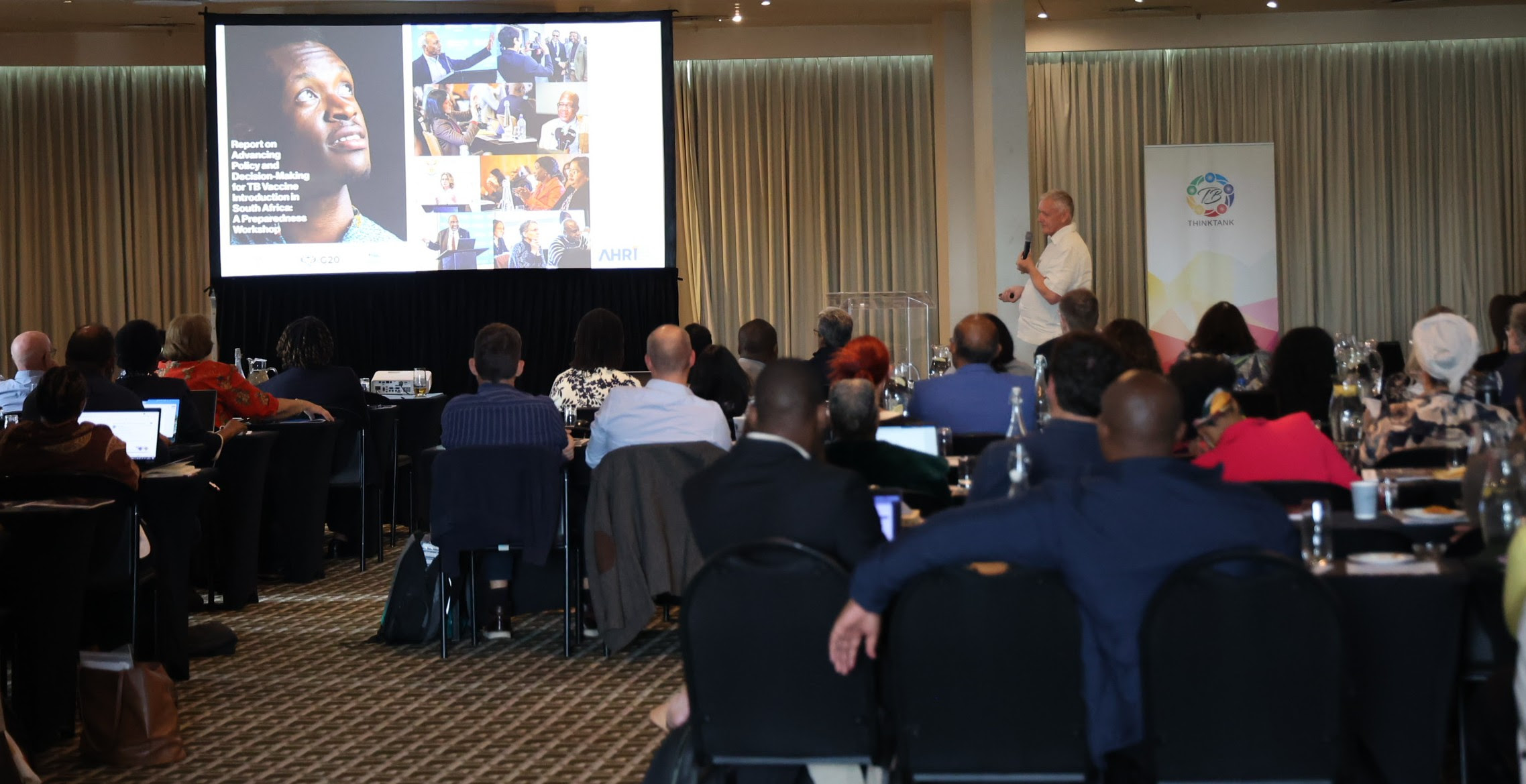
An in person meeting was held on the 13th  March for the TB Think Tank membership.  The meeting opened with an update from Prof Norbert Ndjeka on the national TB campaign, highlighting solid progress, including a 13% increase in TB testing over the past year. However, key gaps remain. While more women are testing, men, especially those aged 25 to 34, have higher positivity rates, pointing to missed diagnoses. 

Participants emphasised the need for targeted strategies to reach men, including expanded community based outreach and consideration of universal testing approaches. The ongoing evaluation of Targeted Universal TB Testing by Aurum is expected to provide further insights. 

Age related disparities in testing and major gaps in paediatric TB data and diagnostics remain a concern. Strengthening screening for children, particularly under five and including paediatric TB in the next national prevalence survey were key recommendations. 

Provincial differences in TB burden highlighted the need for more tailored, data driven responses. Civil society also called for improved access to programme dashboards to better identify and address gaps. 

Click to read more about the TB Think Tank Annual Meeting

Despite a DR TB treatment success rate of 79%, notifications remain low at 57%. This reflects gaps in guideline adherence, specimen collection and patient follow up. Strengthening implementation and expanding peer led counselling remain critical priorities.  

Updated guidance for HIV positive pregnant women allows deferral of TPT in certain cases, while maintaining the 12 month isoniazid regimen. 

At the same time, there is growing momentum behind shorter regimens such as 3HP, driven by higher completion rates. Participants called for faster integration of emerging evidence to avoid missed opportunities. 

Ongoing discussions also highlighted the need to align paediatric and DR TB guidelines and to ensure that policies are responsive to real world implementation data.

The TB diagnostics pipeline continues to evolve, supported by planned national demonstration studies to guide scale up. 

Promising TB vaccine candidates are advancing, offering hope for more effective prevention, particularly for adolescents and adults. 

At the same time, medicine supply challenges, especially for paediatric formulations, highlight the need for stronger forecasting, better data and improved supplier engagement. 

Funding and Focus 

Key priorities include scaling case finding, expanding community screening, strengthening integrated TB and HIV services and improving data driven decision making.

Global Fund priorities continue to focus on closing gaps across the care cascade through improved detection, treatment, prevention, community engagement and stronger data systems.

Important gaps remain in managing asymptomatic TB and addressing treatment failure, underscoring the need for a coordinated investment approach.

Keeping TB Visible 

TB remains a major public health threat. Progress will depend not only on innovation, but on strong implementation, sustained funding and political commitment.

Closing 

The meeting closed with a clear message: progress is real, but fragile. Strengthened provincial planning, smarter use of resources and increased domestic investment will be essential to sustain momentum.

While integration remains important, TB specific funding must be protected and greater reliance on domestic resources, especially for laboratory services, will be critical going forward.

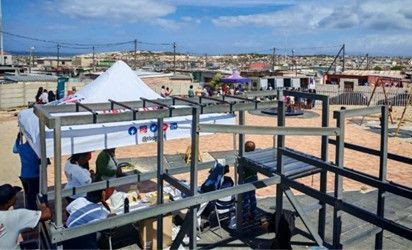
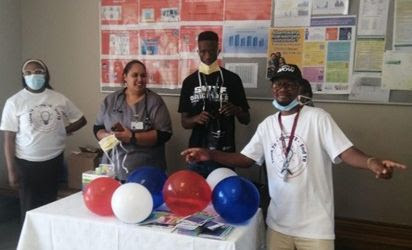
On World TB Day, 24th  March, TB Proof led a series of impactful activities across the Cape Metro in the Western Cape, bringing TB awareness, education and services closer to communities.

Click to read more about the TB Proof’s World TB Day Activities

Community based events, implemented in partnership with local health facilities and the Metro East Education Department, focused on building awareness among learners. Sessions covered TB disease, testing, TB preventive therapy (TPT) and stigma reduction, brought to life through powerful survivor stories that resonated with young audiences. 

At community level, a vibrant jamboree of services created a one stop platform for health access. Community members were able to receive on site TB testing alongside a range of other health services, while also engaging in educational activities and hearing personal stories from TB survivors, helping to break down stigma and encourage health seeking behaviour. 

Health facility based activities reinforced these efforts by strengthening TB education at point of care. With a focus on at risk groups, these engagements emphasised the importance of testing, addressed common myths and misconceptions and promoted the uptake of TB preventive therapy. 

Together, these activities reflect a coordinated, community centred approach to advancing TB awareness, testing and prevention where it is needed most. 

Catch up on the TB Think Tank’s recent webinar series, now available to watch online!  

The TB Think Tank hosted a Special Edition Webinar showcasing key presentations from the Union World Conference 2025.  

Prof Andrew Medina-Marino presented Men’s Vulnerabilities Across the TB Illness-to-Health Journey, highlighting findings from a mixed-methods study exploring the unique challenges men face in accessing and completing TB care. 

Dr Hanlie Myburgh presented on the Assessment of routine DS-TB data access, usage and quality in three South African provinces (DAART-TB), focusing on improving data systems to strengthen TB programme performance. 

Prof Simon Mendelsohn shared insights on Universal Screening for Asymptomatic TB among Household Contacts, emphasising the importance of early detection in high-risk groups. 

A practical and engaging session on Paediatric TB Virtual Ward Round: Putting Guidelines into Practice with Real Patients was delivered by Dr Juli Switala, demonstrating real-world application of paediatric TB guidelines. 

The webinar also featured Making TB Visible: Building Public Understanding through South Africa’s End TB Campaign, presented by Russell Rensburg, Dr Zolelwa Sifumba and Leisha Genade, highlighting efforts to strengthen public awareness and engagement.

Men’s Vulnerabilities Across the TB Illness to Health Journey Insights

Special Edition TB Think Tank Webinar titled DAART TB

TB Think Tank Webinar Showcasing Presentations from Union 2025

Universal Screening for Asymptomatic TB among Household Contacts

Paediatric TB Virtual Ward Round Putting Guidelines into Practice

Making TB Visible Building Public Understanding through South Africa’s End TB Campaign

Bisson, G. P., Allwood, B., Byrne, A., Günther, G., Khosa, C., Navuluri, N., Nightingale, R., Schoeman, I., van der Zalm, M. M., Meghji, J., & Auld, S. (2025). Post-tuberculosis lung disease: a case definition for use in research studies. The Lancet. Infectious diseases, S1473-3099(25)00548-1. Advance online publication. https://doi.org/10.1016/S1473-3099(25)00548-1

Brown, L. R., Smith, M., van Schalkwyk, C., Johnson, L. F., Mudaly, V., Mohr-Holland, E., Schaaf, H. S., Seddon, J. A., Hesseling, A. C., Nuttall, J., Rabie, H., Davies, M.-A., Boulle, A., & du Preez, K. (2026). Epidemiology of pediatric tuberculosis in the Western Cape: A population-based study (2017–2023). Pediatrics, 157(2), e2025072223. https://doi.org/10.1542/peds.2025-072223    
 
Courtney, I. J., Palmer, M., Swanepoel, R., Lombard, C. J., van Niekerk, M., Dunbar, R., McCollum, E. D., Schaaf, H. S., Gie, A., Goussard, P., Hesseling, A. C., Jongen, V. W., & van der Zalm, M. M. (2025). Lung function trajectories in children with pulmonary TB and non-TB lower respiratory tract infections. IJTLD Open, 2(8), 471–477. https://doi.org/10.5588/ijtldopen.25.0080   
 
David, A., Singh, L., da Silva, M. P., Peloakgosi-Shikwambani, K., Nsingwane, Z., Molepo, V., Stevens, W., & Scott, L. E. (2026). Diagnostic accuracy of the BD MAX MDR-TB assay on sputum and tongue swabs for Mycobacterium tuberculosis complex detection in adults under investigation for TB in South Africa. Microbiology Spectrum, 14, e01802-25. https://doi.org/10.1128/spectrum.01802-25  
 
Johnson, L. S., Anthony, M. G., Purdy, C., Luke, V., van Deventer, H., van Niekerk, M., Viljoen, L., & van der Zalm, M. M. (2025). Caregiver perspectives on TB-related stigma experienced by young children. IJTLD Open, 2(8), 443–449. https://doi.org/10.5588/ijtldopen.25.0293   
 
Mafirakureva, N., Cartledge, A., Bradshaw, I., Bekker, A., Salazar-Austin, N., Meehan, S.-A., et al. (2026). Global estimates of tuberculosis incidence during pregnancy and postpartum: A rapid review and modelling analysis. The Lancet Global Health, 14(3), e337–e346. https://doi.org/10.1016/S2214-109X(25)00431-0   
 
Mbuyamba, R., Jacobs, C., Makanda, G., et al. (2026, February 17). Exploring perspectives on tuberculosis preventive treatment completion among contacts and people with HIV in Khayelitsha, South Africa using the Health Belief Model (Version 1) [Preprint]. Research Square. https://doi.org/10.21203/rs.3.rs-8679125/v1  
 
Monin, C., Wademan, D. T., Purdy, C., Mlomzale, M., Anthony, M. G., Cousins, T., Viljoen, L., Orne-Gliemann, J., van der Zalm, M. M., & Hoddinott, G. (2025). Post-TB treatment completion experiences of children, adolescents, and caregivers from Cape Town. IJTLD Open, 2(11), 662–670. https://doi.org/10.5588/ijtldopen.25.0117   
 
Motlhaoleng, K., Vilakazi-Nhlapo, K., Shearer, K., Golub, J., & Maartens, G. (2026). Determinants of drop-offs in the targeted universal tuberculosis testing care cascade among people with HIV in rural and urban facilities in South Africa. Southern African Journal of HIV Medicine, 27(1), a1774. https://doi.org/10.4102/sajhivmed.v27i1.1774  
 
Motlhaoleng, K., Maartens, G., Vilakazi-Nhlapo, K., Golub, J. E., & Shearer, K. (2026). Feasibility, challenges, and solutions for implementing targeted universal tuberculosis testing: Perceptions of healthcare professionals in South Africa. BMC Health Services Research, 26, 383. https://doi.org/10.1186/s12913-026-14156-3  
 
October CD, Baloyi DP, Viljoen L, Raad R, Wademan DT, Palmer M, et al. (2025) Using participatory methods to develop a narrative intervention to alleviate distress in children hospitalised with TB in South Africa: The DIMPle project. PLoS One 20(12): e0338394. https://doi.org/10.1371/journal.pone.0338394   
 
Olbrich, L., Larsson, L., Dodd, P. J., et al. (2025). Evaluating the diagnostic accuracy of WHO-recommended treatment decision algorithms for childhood tuberculosis using an individual person dataset: A study protocol. BMJ Open, 15, e094954. https://doi.org/10.1136/bmjopen-2024-094954   
 
Olbrich, L., Larsson, L., Dunbar, R., Dodd, P. J., Palmer, M., Huyen Ton Nu Nguyet, M., et al. (2025). Diagnostic accuracy of the WHO tuberculosis treatment decision algorithms for children with presumptive tuberculosis: An individual participant data meta-analysis. PLoS Medicine, 22(11), e1004610. https://doi.org/10.1371/journal.pmed.1004610   
 
Oelofse, S., Esmail, A., Perumal, T., et al. (2024). Association of linezolid interruption and rechallenge with clinical outcomes in patients with rifampicin‑resistant tuberculosis in South Africa, 2018–2022: An observational cohort study. The Lancet Global Health, 14, e579–e588. https://doi.org/10.1016/S2214‑109X(25)00489‑9   
 
Purchase, S. E., Seddon, J. A., Zimri, K., Klaas, A., Duong, T., Martinson, N. A., Patel, F., Staples, S., Viljoen, L., Schaaf, H. S., & Hesseling, A. C. (2026). Experiences in dissemination of results of a community-based tuberculosis prevention trial in children. Trials, 27(1), 73. https://doi.org/10.1186/s13063-026-09436-6   
 
Strauss, M., Osman, M., Meehan, S. A., Marx, F. M., Hesseling, A. C., Boulle, A., Naidoo, P., & George, G. (2026). An economic evaluation of the LINKEDin study: An intervention to reduce initial loss to follow-up among tuberculosis patients in South Africa. PloS one, 21(2), e0342708. https://doi.org/10.1371/journal.pone.0342708

Related Posts