Dear TB Think Tank Members,
As we reflect on the year so far, it is impossible to ignore the challenges we face, particularly in light of the significant US funding cuts to TB-related programming and research grants in South Africa. Many of us are feeling the strain, and we recognise that this disruption has made it more difficult to continue our work with the urgency that TB demands.
The recent publication by the TB Think Tank on the impact of these funding cuts in South Africa underscores the deep consequences on the country’s fight against TB. We must continue to stand united, advocate for increased funding, and explore innovative solutions to fill the gaps these cuts have created.
Despite these challenges, the National Department of Health’s (NDoH) has embarked on a bold new target, launched on World TB Day, to test 5 million people for TB this year—an increase from the previous goal of 3 million. This ambitious target reflects the NDoH’s ongoing commitment to accelerating TB diagnosis and care, but we must acknowledge that achieving this goal will be particularly difficult amidst the current funding cuts. It will require unwavering dedication and collaboration from all stakeholders to rise to this challenge and ensure that TB testing reaches those most in need.
Looking ahead, I am excited to highlight the upcoming Stakeholder Workshop on Advancing Policy and Decision-Making for Adult and Adolescent TB Vaccine Introduction in South Africa, to be jointly hosted by the NDoH and the World Health Organisation in Johannesburg this July. This workshop will be a pivotal moment for advancing critical discussions around the future of TB vaccines and their introduction in South Africa, as we work to ensure that both current and future generations are better protected from this devastating disease.
In closing, while the path forward may seem daunting, I remain hopeful that through our collective commitment, expertise, and innovation, we can continue to make strides in the fight against TB. I encourage you all to stay engaged, support one another, and take part in the various initiatives underway. Together, we can turn these challenges into opportunities for progress.
Warm regards,
Prof Norbert Ndjeka

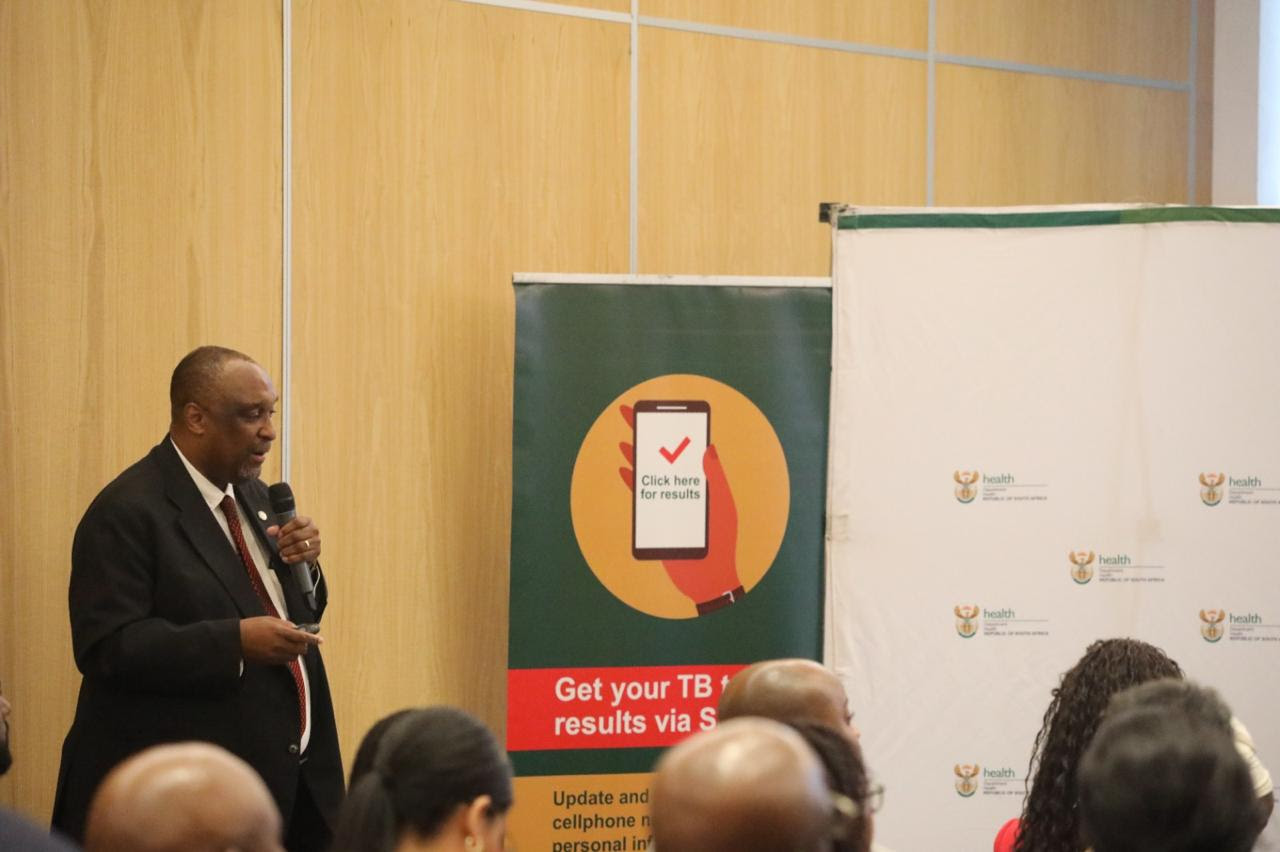
As South Africa accelerates its fight against tuberculosis (TB), media engagement has taken centre stage. The End TB Media Breakfast Workshop, held at the Sandton Hotel, set the tone for World TB Day commemorations by rallying journalists and media professionals to become key allies in the End TB campaign. The workshop emphasised the power of storytelling in driving awareness and action against TB.
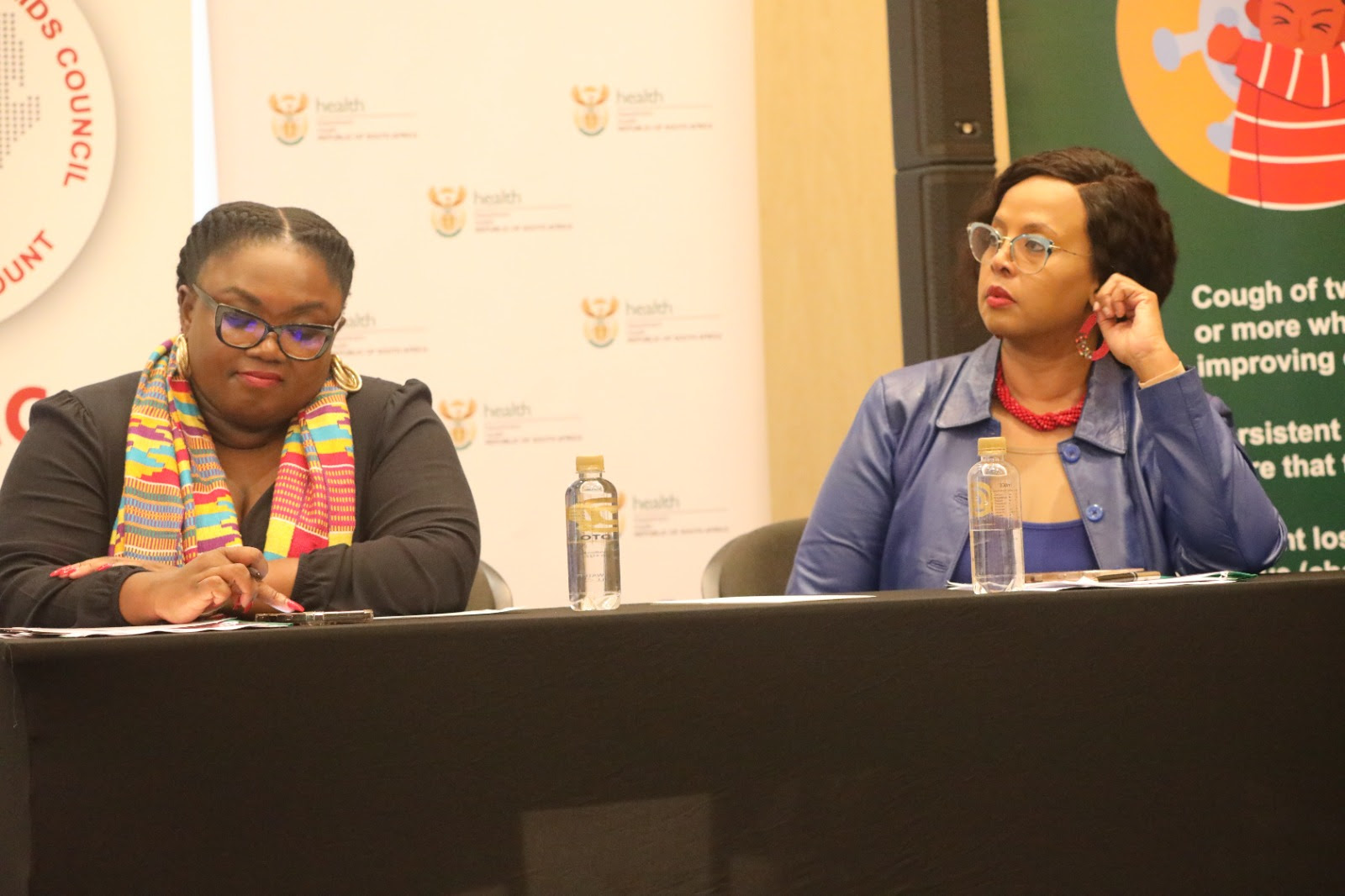
Dr. Thembisile Xulu from the South African National AIDS Council (SANAC) opened the event with a powerful call to action. She underscored that despite TB being curable, it remains a major public health challenge. Stressing the crucial role of the media, she urged journalists to amplify TB coverage with accurate and engaging narratives, avoiding misinformation and stigma. She also highlighted the “My TB Story” website—a platform that shares real-life TB experiences to inspire communities and spark meaningful national conversation.
Prof. N. Ndjeka, Chief Director of the National TB Programme (NTP), provided an insightful overview of South Africa’s tuberculosis (TB) response. He emphasised the need for evidence-based behaviour change strategies, urging stakeholders to consider the social and economic drivers of TB alongside biomedical interventions. Prof. Ndjeka called for storytelling that not only highlights the challenges of TB but also shares positive success stories, making the TB narrative more compelling and action driven.
The World Health Organisation (WHO) Representative to South Africa reinforced this year’s World TB Day theme, “Yes, You and I Can End TB.” She stressed the urgency of accelerating global commitments through strengthened policies, increased financial investment, and equitable access to TB treatment and care.
A dynamic panel discussion brought together representatives from civil society, the South African Editors’ Forum, SBCC specialists, and NTP officials. The discussion centred on multi-sectoral collaboration and how various stakeholders can collaborate to create impactful messaging. A key takeaway was the idea of “Making TB Sexy”—a call to transform TB awareness efforts into compelling, high-impact campaigns that resonate with diverse audiences.
“Unlike infectious diseases like Ebola or COVID-19 that make headlines, TB is no drama queen- and that’s exactly why it’s been easy to ignore, quietly remaining one of the world’s deadliest killers.”
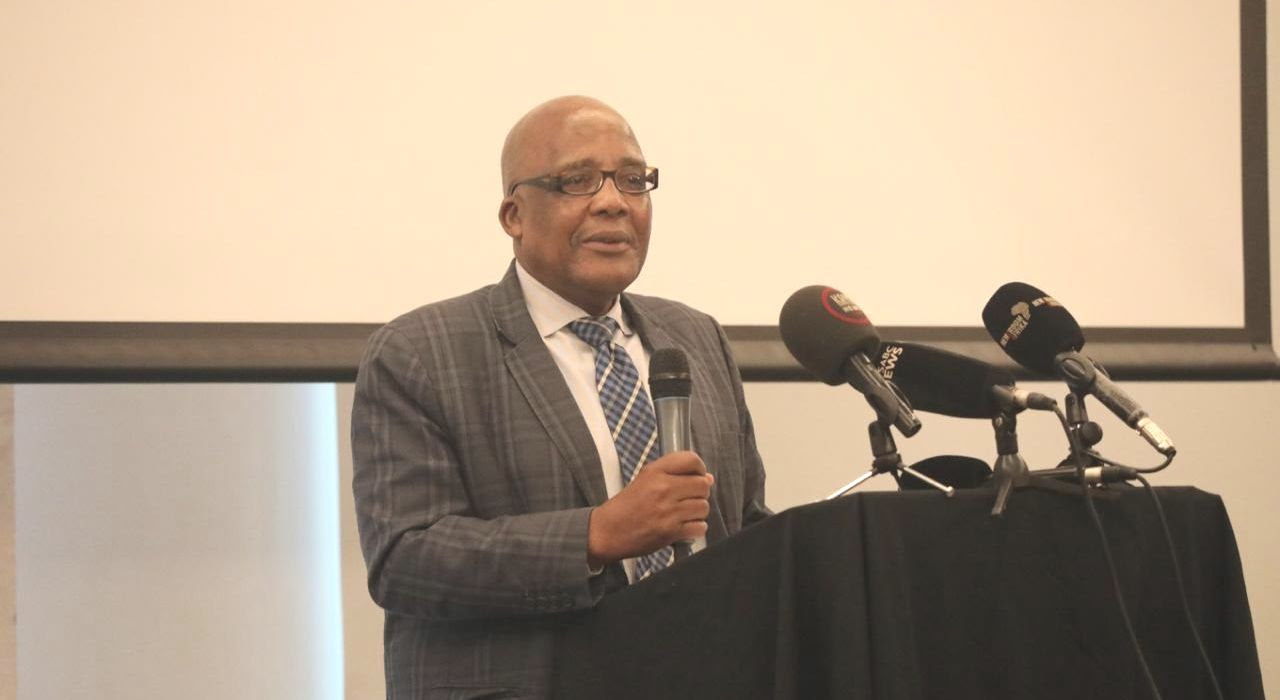
Minister of Health, Dr. Aaron Motsoaledi, delivered a thought-provoking address, drawing stark comparisons between TB and other infectious diseases. He noted that TB has claimed more lives than Ebola, malaria, yellow fever, the plague, smallpox, HIV, COVID-19, influenza, and Mpox combined, yet it remains largely overlooked in public discourse. He challenged the media to change this narrative, calling for TB to be given the same urgency and attention as other global health crises. Dr. Motsoaledi also announced a bold new initiative to test 5 million people for TB, a campaign officially set to launch on World TB Day.

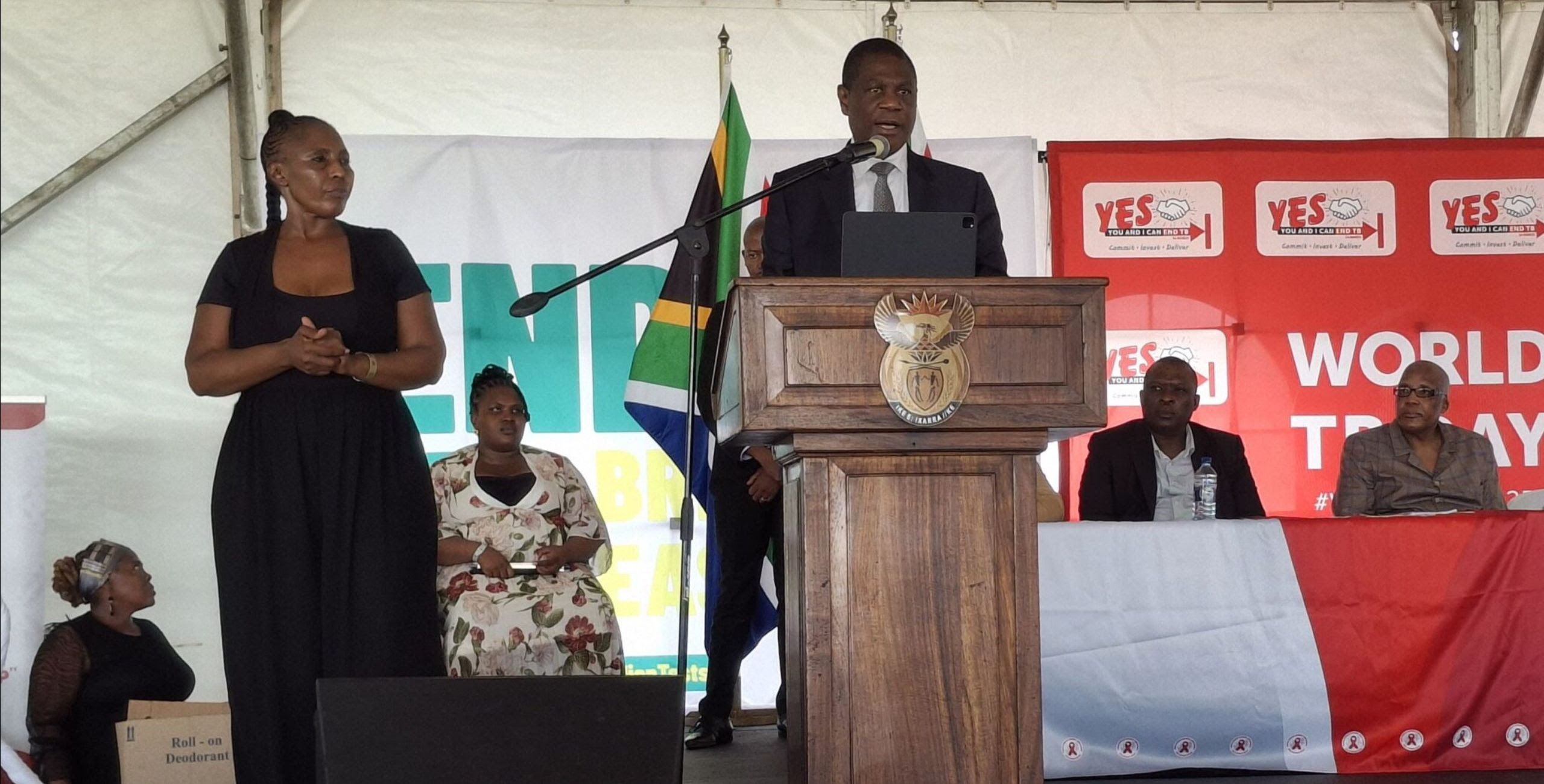
The World TB Day commemoration event at the UGU Sports and Leisure Centre was a resounding call to action, drawing an estimated 5,000 to 6,000 attendees, including national leaders, healthcare professionals, and members of the public. The event served as both a celebration of progress and a rallying cry for renewed commitment to the fight against TB.
Graced by the Deputy President, the Minister of Health, and other high-ranking officials, the event provided critical healthcare services, including TB screening and testing using digital chest X-ray (DCXR) technology. The government’s commitment to reaching high-risk populations was emphasised, ensuring that vulnerable groups—such as household contacts of TB patients, people living with HIV, children exposed to TB, and individuals previously treated for TB—receive prioritised testing and care.
A defining moment of the event was the official launch of the End TB Campaign, a nationwide initiative to test 5 million people for TB. The campaign urges South Africans to take an active role in seeking early detection and treatment, with a strong emphasis on community involvement.
In his keynote address, the Deputy President reinforced the message that TB is both preventable and curable. He urged South Africans to take ownership of their health by accessing free TB testing and treatment services available at public health facilities. He also highlighted the importance of collective responsibility, emphasising that ending TB requires action from individuals, families, communities, and policymakers alike.
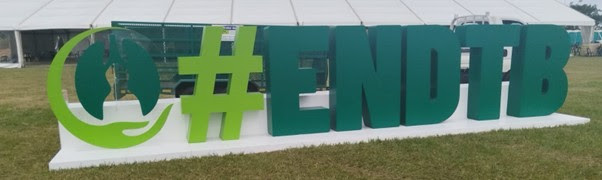
The World TB Day commemoration was a powerful testament to the progress being made in the fight against TB. With strengthened partnerships, amplified awareness, and a bold commitment to widespread testing and treatment, South Africa is taking a decisive step towards eliminating TB once and for all. #EndTB #5MillionTBTests

Following the release of the Management of TB in Children and Adolescents guidelines, the NHLS has recently released a memo on the Implementation of stool as an additional specimen type suitable for testing by Xpert® MTB/RIF Ultra assay for the diagnosis of tuberculosis in those less than 10 years of age, as from 1 April 2025. The memo provides information to healthcare workers and laboratory staff and encompasses details on collecting, testing, and reporting on stool specimens.


Special TB Think Tank Webinar Edition
The TB Think Tank will host a Special Edition webinar on the 23rd of April at 13:00. This session is titled TB Think Tank Family Meeting: Adapting to a Changing TB Landscape and presented by Prof. Norbert Ndjeka and Prof Fareed Abdullah.
International Child TB Training Course
Invitation for the international childhood TB course, which will be held in the Western Cape from 28 September to 03 October 2025.
Click here for the full program and registration.
2025 State of TB in South Africa Report
The TB Accountability Consortium, a Rural Health Advocacy Project initiative, has recently published the 2025 State of TB in South Africa Report, which provides valuable insights into the National Department of Health’s End TB Campaign.
The report outlines both opportunities and risks related to the ambitious 5 million TB testing target and offers key recommendations for the financial sustainability and success of the campaign.

If you’ve missed any recent sessions, don’t worry! Catch up on key discussions from our past webinars using the links below. Join the conversation, stay informed, and be part of the movement driving TB innovation forward!


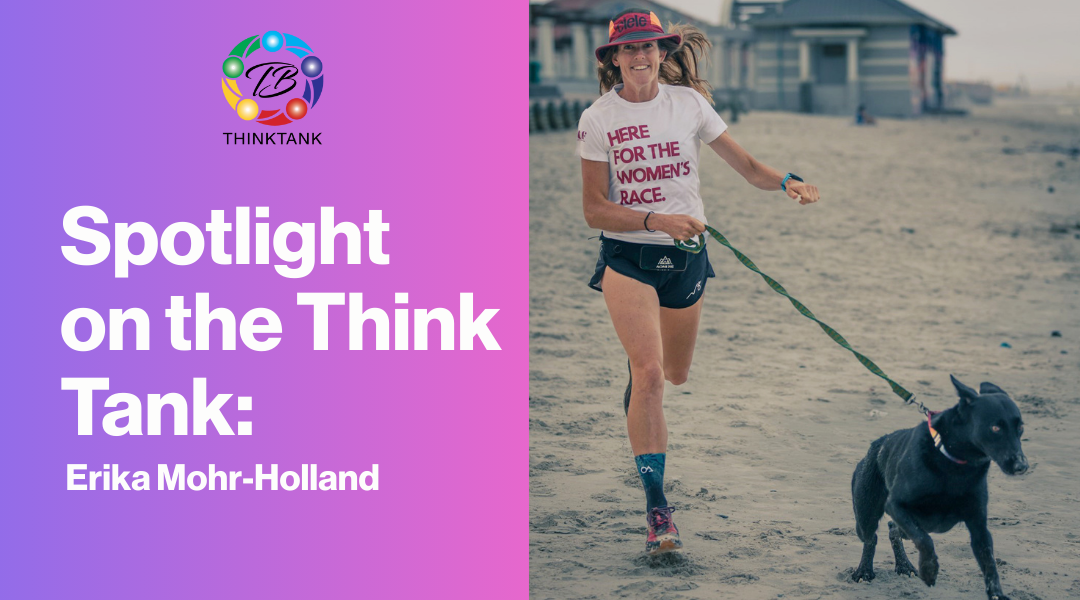
Erika Mohr-Holland is an epidemiologist with a Master’s in Public Health and Epidemiology from Boston University, with a deep commitment to public health, TB research, and advocacy. With over 11 years of experience supporting the South African TB Programme, she works as an epidemiologist for the City of Cape Town, providing surveillance oversight and epidemiologic support for primary healthcare programmes in the public sector, with a keen interest in TB.
She has been heavily involved in integrating digital tools into clinical practice to improve patient care and management, as well as support integrated disease surveillance. Supporting the South African TB programme for over 11 years, she plays a key role in the national TB response, chairing and co-chairing several epidemiological and clinical TB forums, supporting the development of implementation guidelines, and publishing several academic papers. As an active member of TB Proof, she advocates for social equity, resource mobilisation, and stigma reduction in TB care.
As an anti-racist, she is passionate about addressing the root causes of health disparities. She is interested in exploring the intersection of colonialism, social determinants of health, inequity, and the climate crisis—critical factors that drive TB in the Global South. Now, more than ever, Erika is determined to advance Global South leadership and autonomy in the TB response. She is dedicated to closing gaps in TB care by integrating substance use and mental health support, strengthening prevention efforts, and championing evidence-based interventions that reach the most vulnerable communities.
Beyond her professional work, Erika is a dog mom, a horse lover, a casual longboarder, and an accomplished ultra-trail runner with a deep passion for endurance sports. Having completed multiple South African Ultra Trail Marathons, most recently having won Pass2Pass Ultra in Wellington, she understands the power of resilience, both on the trails and in life. As a group leader in the Muizenberg Trail Dawgs running crew,
Erika is dedicated to creating a welcoming and empowering space for runners of all backgrounds. A fierce advocate for women in sports, Erika works to break down barriers that have historically excluded women from trail running and endurance sports. Through personal achievements, mentorship, and community engagement, she strives to inspire more women to step onto the trails, take up space, and own their strength. Whether in the workplace or on the mountain, Erika believes in pushing limits, uplifting others, and proving that no challenge—physical or societal-is insurmountable.

Ndjeka N, Kubjane M, Abdullah F, Mohr-Holland E, Subrayen P, Loveday M, Dube M, Boffa J. The impact of US funding cuts and stop work orders on TB services and research in South Africa. Int J Tuberc Lung Dis Open. 2025; 2(4):241-243 https://doi.org/10.5588/ijtldopen.25.0168
Ndjeka N, Kubjane M, Abdullah F, Mohr-Holland E, Subrayen P, Loveday M, Dube M, Boffa J. The impact of US funding cuts and stop work orders on TB services and research in South Africa. Int J Tuberc Lung Dis Open. 2025; 2(4):241-243. https://doi.org/10.5588/ijtldopen.25.0168
Boffa J, Mhlaba T, Chibi B, Naidoo M, Lutchminarain K, Swe Swe-Han K, Chikovore J, Mapham W, Moyo S. Improving tuberculosis diagnosis in South Africa’s private sector: The results of a pilot private-public mix intervention in eThekwini health district.
DOI: https://doi.org/10.1371/journal.pgph.0004233
https://journals.plos.org/globalpublichealth/article?id=10.1371/journal.pgph.0004233
Romanowski K, Chiang SS, Land SA, van der Zalm MM, Campbell JR. Tuberculosis-associated respiratory impairment and disability in children and adolescents: a systematic review
DOI: https://doi.org/10.1016/j.eclinm.2025.103107
https://pubmed.ncbi.nlm.nih.gov/40034569/
Schwab TC, Joseph L, Moono A, Göller PC, Motsei M, Muula G, Evans D, Neuenschwander S, Günther G, Bolton C, Keller PM, Ramette A, Egger M, Omar SV, Fenner L; IeDEA Southern Africa (IeDEA-SA). Field evaluation of nanopore targeted next-generation sequencing to predict drug-resistant tuberculosis from native sputum in South Africa and Zambia
DOI: https://doi.org/10.1128/jcm.01390-24
https://journals.asm.org/doi/10.1128/jcm.01390-24
Daryoush Samim, Guy Muula, Nicolas Banholzer, Douglas Chibomba, Sihle Xulu, Carolyn Bolton, Denise Evans, Lisa Perrig, Stefano De Marchi, Gunar Günther, Matthias Egger, Thomas Pilgrim, Lukas Fenner on behalf of IeDEA Southern Africa (IeDEA-SA). Cardiovascular involvement in tuberculosis patients during treatment in Southern Africa
DOI: https://doi.org/10.1016/j.jacadv.2024.101427
https://www.sciencedirect.com/science/article/pii/S2772963X24007075?via%3Dihub
Du Preez K, Jenkins HE, Martinez L, Chiang SS, Dlamini SS, Dolynska M, Aleksandrin A, Kobe J, Graham SM, Hesseling AC, Starke JR, Seddon JA, Dodd PJ. Global burden of tuberculous meningitis in children aged 0-14 years in 2019: a mathematical modelling study.
DOI: https://doi.org/10.1016/s2214-109x(24)00383-8
https://pubmed.ncbi.nlm.nih.gov/39706662 /
Barker S, Yassi A , Spiegel J, Kistnasamy B, Ehrlich R. Determining Thresholds for Computer‐Aided Detection for Silicosis—An Analytic Approach in American Journal of Industrial Medicine has the following publication status
DOI: https://doi.org/10.1002/ajim.23720
https://onlinelibrary.wiley.com/doi/10.1002/ajim.23720
Zungu M, Balfour T, Barker S, Spiegel J, Lockhart K, Kistnasamy B, Malotle M, Yassi A Assessing pulmonary tuberculosis in South Africa’s mining industry: a trend analysis, 2015–2022
DOI: https://doi.org/10.62380/ohsa.2025.31.1.
https://journals.co.za/doi/abs/10.62380/ohsa.2025.31.1.1
Waalewijn H, Almett M, Wasmann RE, Cressey TR, Easterbrook P, Olumese PE, Hesseling AC, Garcia-Prats AJ, Tarning J, Turkova A, Viney K, Svensson EM, Colbers A, Were WM, Denti P, Penazzato M; members of the expert panels. Simplifying medicine dosing for children by harmonising weight bands across therapeutic areas
DOI: https://doi.org/10.1016/S2352-4642(25)00025-2
Hughes JA, Pinilla M, Brooks KM, Eke AC, Stek A, Best BM, Mirochnick M, Browning R, Wiesner L, George K, Knowles K, De Koker P, Ngocho JS, Fairlie L, Chakhtoura N, Hesseling AC, Decloedt E, Shapiro DE, van Schalkwyk M; IMPAACT P1026s Protocol Team. Pharmacokinetics and Safety of Levofloxacin for Treatment of Rifampicin-Resistant Tuberculosis During Pregnancy and the Postpartum Period: Results from IMPAACT P1026s
DOI: https://doi.org/10.1007/s40262-025-01498-0
https://link.springer.com/article/10.1007/s40262-025-01498-0#citeas
Palmer M, Zou Y, Hesseling AC, van der Laan L, Courtney I, Kinikar AA, Sonkawade N, Paradkar M, Kulkarni V, Casalme DJO, Frias MVG, Draper H, Wiesner L, Karlsson MO, Denti P, Svensson EM, Garcia-Prats AJ. Population pharmacokinetics and dosing of dispersible moxifloxacin formulation in children with rifampicin-resistant tuberculosis.
DOI: https://doi.org/10.1002/bcp.70005v
https://pubmed.ncbi.nlm.nih.gov/39957395/